
Oregon’s Psilocybin Program Aims To Double Licensing Fees
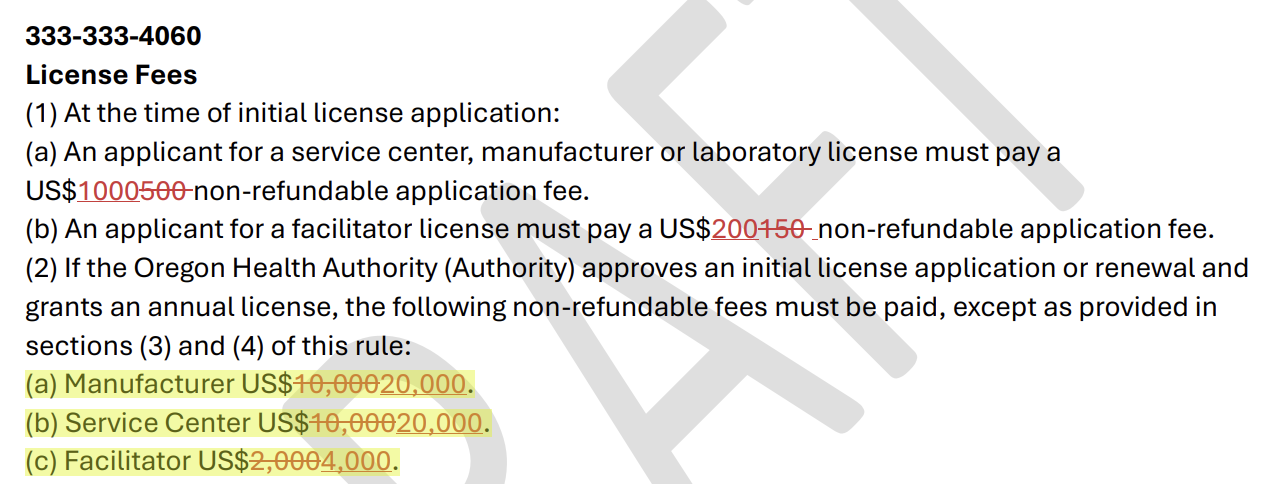
A quick update from the Center for Psychedelic Policy on where our work is headed and why this moment matters.
The next argument is a fiscal one
There is no question that the safety and efficacy profile of psilocybin therapy got us to where we are today. The clinical and real-world evidence for psilocybin therapy is strong and still growing, and it is why Oregon built the country's first regulated program and why more states are enacting their own psilocybin programs. But efficacy alone will not sustain these programs, and it will not expand access.
Here is the hard reality in Oregon. The program was designed to pay for itself through licensing fees, and that model is not holding. The psilocybin program in Oregon has reported a roughly $3.5 million shortfall and has leaned on general fund dollars to keep the program running, and the default fix that is now officially on the table is to double the already incredibly expensive licensing fees.
Higher fees mean fewer centers, higher client costs, and less access across the board. That is the trap: the mechanism meant to sustain the program is squeezing out the people it was built to serve.
The answer is not to keep taxing access through fees. It is to fund psilocybin therapy for what the data increasingly shows it to be: a behavioral health intervention that can match or beat the outcomes of treatments the state already pays for, often at lower cost.
This is core to why CPP exists, and it is why the timing matters. The program is young enough to shape and the evidence is real enough to stand on.
We are building that fiscal case in Oregon now, with more to share soon, and we believe the larger fiscal responsibility narrative will be central to showing state legislatures across the country the benefits of making direct investments in psilocybin therapy for those in need.
On the podcast: real-world data from Bendable Therapy
The latest episode of Ground Game just went live, featuring Amanda Gow, co-founder and Executive Director of Bendable Therapy in Bend, Oregon, a nonprofit clinic providing the full continuum of care from clinical preparation through administration to integration.
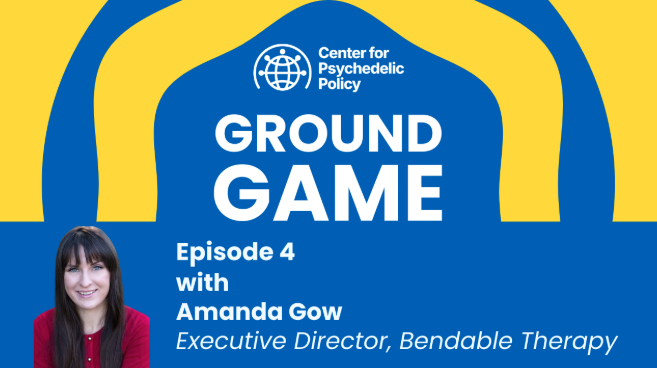
Amanda's team ran an IRB-approved real-world outcomes study of their own clients, not a screened clinical-trial population but actual Oregonians walking in with the complexity and comorbidities that trials tend to exclude. The results held anyway. It is exactly the kind of real-world evidence the fiscal case is built on, and Amanda is candid about both what the data shows and what it cannot yet prove. We also get into Bendable's model, a new study on psilocybin for chronic pain, and what payer coverage would actually mean for operators on the ground.
Listen to the episode here.
A seat at the table
I was recently appointed to serve on the Oregon Psilocybin Services 2026 Rules Advisory Committee, focused on training and facilitation.
We meet this July to work through the state's draft rule language in those areas, the day-to-day mechanics that shape who can train, who can facilitate, and ultimately whether the program is workable and reachable.
I am there to carry a specific lens: that rules are not only compliance questions, they are cost and access levers. If you are an Oregon operator, facilitator, or client with a specific concern about the training or facilitation rules that you think the state should hear, I want to know about it.
Reply to this email and tell me what is getting in the way. I cannot promise every issue moves, but I can promise that perspective gets carried into the room.
You can read the OPS 2026 proposed draft rules here.
Thank you for being part of this work. The case we are building only matters if people are paying attention, and you are.
Best,
Sam Chapman
Executive Director
Center for Psychedelic Policy
If the work CPP is doing resonates with you, you can contribute here.
CPP is a 501(c)(3) nonprofit, and we deeply appreciate every contribution, no matter the size.